
Bible journaling is more than a creative hobby — it’s a spiritual practice that invites believers to slow down, meditate on God’s Word, and respond to Scripture with both heart and hands. For some, it looks like quiet reflection with a pen and wide‑margin Bible. For others, it includes color, art, notes, prayers, and symbols layered over time. At its core, Bible journaling is about interaction with Scripture, not perfection.
In a fast‑paced, screen‑saturated world, Bible journaling offers a countercultural rhythm: read, reflect, respond, remember. It creates space to hear God’s voice, process emotions, and anchor faith in truth. Whether you’re new to journaling or have been practicing for years, understanding what Bible journaling is—and what it is not—can free you to engage Scripture more deeply.
A Simple Definition of Bible Journaling
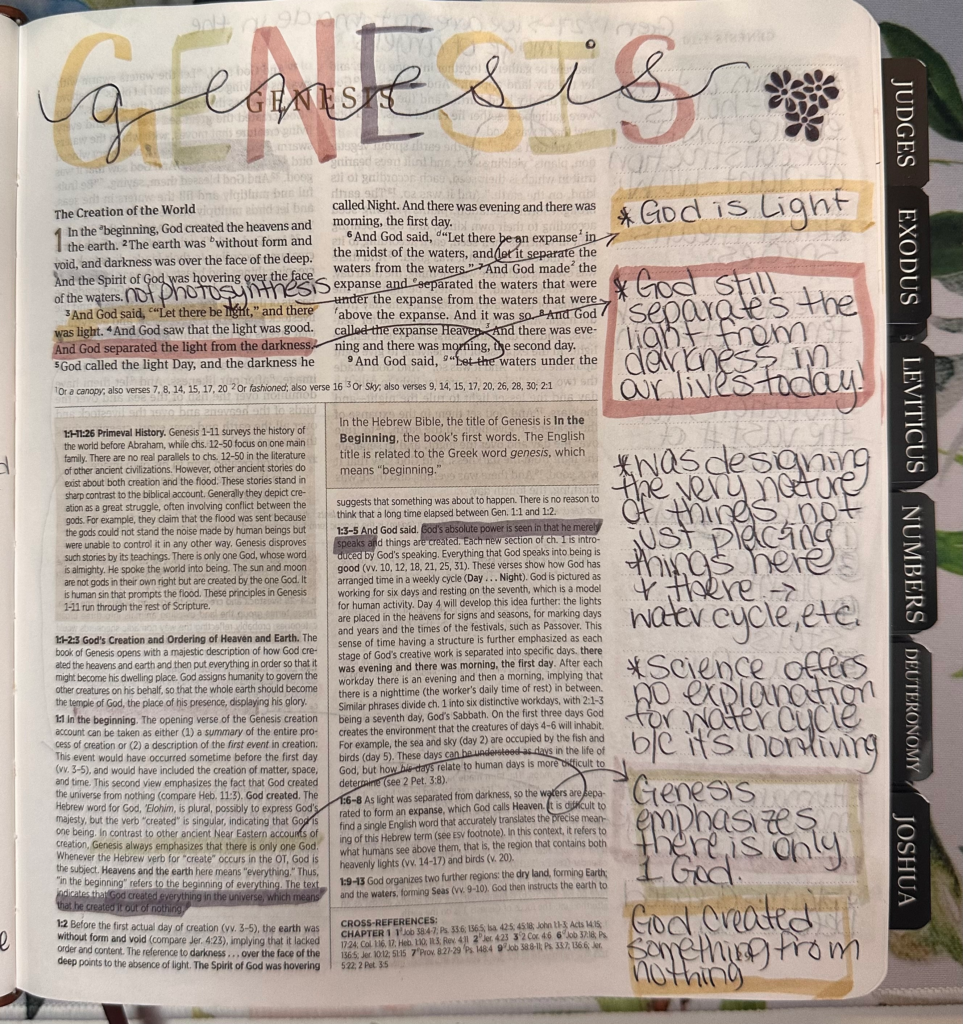
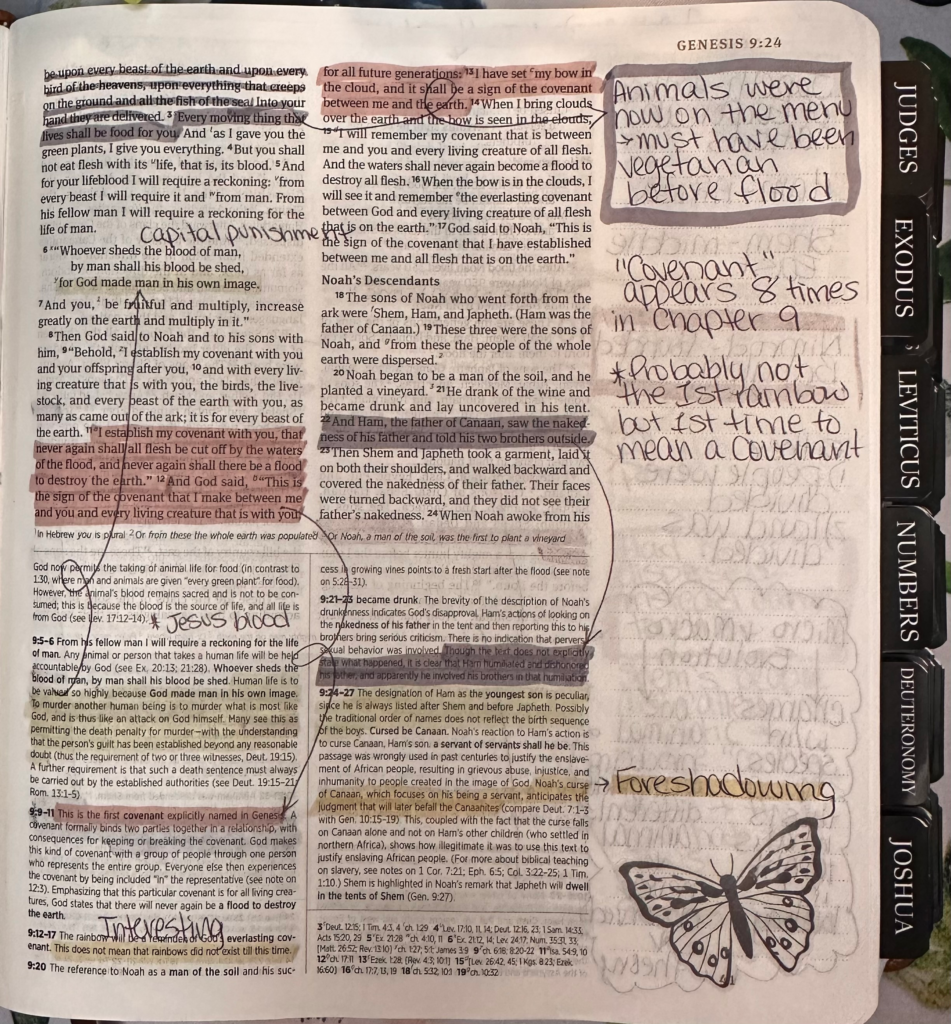
Bible journaling is the practice of recording thoughts, prayers, insights, and creative expressions directly in or alongside the Bible while reading Scripture. This may include:
- Written reflections or verse notes
- Prayers and praises
- Cross‑references and study insights
- Artistic elements like lettering, drawings, or color
- Symbols or imagery that represent biblical truths
Bible journaling is not limited to one style or method. Some people journal in a wide‑margin Bible, while others use a separate notebook, digital tools, or printable pages. What matters most is intentional engagement with God’s Word.
The Heart Behind Bible Journaling
At its heart, Bible journaling is about relationship. Scripture tells us that God’s Word is living and active (Hebrews 4:12). Journaling helps us slow down enough to notice that life. Instead of reading passively, we begin to ask questions:
- What is God revealing about Himself?
- What does this passage show me about His character?
- How does this truth apply to my life right now?
- What is God inviting me to pray, change, or trust?
By writing—or visually responding—we externalize our inner dialogue with God. Over time, our journals become spiritual landmarks, reminding us how God has spoken, comforted, corrected, and guided us.
Bible journaling also gives language to seasons of faith: joy, doubt, grief, gratitude, hope, and waiting. It allows Scripture to meet us where we are.
Bible Journaling Is Not About Artistic Skill
One of the biggest misconceptions about Bible journaling is that you must be artistic to do it “right.” Social media often highlights beautifully illustrated pages, which can unintentionally discourage beginners. But Bible journaling is not about producing art—it’s about encountering truth.
Simple notes, underlining, prayer lists, or even a single word written next to a verse are all forms of Bible journaling. Stick figures, messy handwriting, or plain black ink are just as valid as watercolor florals.
God is not impressed by our creativity; He is pleased by our hearts. Bible journaling is an act of worship, not performance.
If comparison has held you back, you’re not alone. I often emphasizes grace‑filled approaches to spiritual habits—reminding believers that growth comes from consistency, not perfection.
Why Bible Journaling Matters
1. It Deepens Understanding of Scripture
Writing slows the mind. When we pause to journal, we move beyond surface reading and begin to wrestle with meaning. We notice repeated words, themes, and connections. Journaling helps Scripture move from information to transformation.
2. It Strengthens Memory and Retention
Studies show that writing by hand improves memory. When you journal Scripture, you are more likely to remember verses, recall context, and recognize God’s Word in daily life. Over time, your Bible becomes a personalized record of learning and growth.
3. It Encourages Honest Prayer
Bible journaling naturally flows into prayer. As we respond to Scripture, we often write prayers of repentance, gratitude, or trust. This written prayer practice can be especially helpful for those who struggle with distraction or knowing what to say.
4. It Creates a Legacy of Faith
A journaled Bible tells a story—not just of Scripture, but of your walk with God. Years from now, you’ll be able to look back and see how God met you in specific seasons. Some even pass down journaled Bibles as spiritual heirlooms to children or grandchildren.
Different Styles of Bible Journaling
There is no single “correct” way to Bible journal. Here are some common approaches:
Verse‑by‑Verse Notes
Writing insights, definitions, cross‑references, and questions directly next to the passage.
Prayer Journaling
Responding to Scripture with written prayers, confessions, and praises.
Thematic Journaling
Tracking themes such as God’s promises, fear, faith, identity in Christ, or gratitude throughout Scripture.
Creative or Artistic Journaling
Using drawings, hand lettering, color coding, or visual symbols to reflect biblical truths.
Study‑Based Journaling
Combining Bible study methods (like SOAP or inductive study) with journaling reflections.
What You Need to Start Bible Journaling
One of the beauties of Bible journaling is its simplicity. You do not need expensive supplies to begin.
Basic options include:
- A Bible (wide‑margin if you prefer space to write) – I use this one >> link
- A pen or pencil
- A notebook or journal (optional)
Optional supplies:
- Colored pens or highlighters
- Sticky notes or tabs
- Washi tape
- Journaling cards or printables
Start with what you have. Over time, you’ll discover what tools support—not distract from—your time with God.
Bible Journaling as a Spiritual Discipline
Bible journaling pairs beautifully with other spiritual disciplines such as:
- Daily Scripture reading
- Prayer and fasting
- Memorization
- Meditation
- Sabbath rest
Rather than adding pressure, journaling can bring focus and intention to your devotional time. Even five to ten minutes of journaling can transform how you engage Scripture.
Consistency matters more than length. Some days may include full pages of reflection; others may hold only a verse and a prayer. Both are meaningful.
Overcoming Common Barriers
Many believers want to Bible journal but feel stuck. Common obstacles include:
- “I don’t have time.”
- “I’m not creative.”
- “I’m afraid of messing up my Bible.”
- “I don’t know what to write.”
The solution is permission—permission to start small, be imperfect, and grow slowly. Bible journaling is a journey, not a checklist.
Bible Journaling for Different Seasons of Life
Bible journaling adapts to every stage:
- New believers can use journaling to learn foundational truths.
- Busy parents may journal short prayers or verses during quiet moments.
- Students can connect Scripture to questions about identity and purpose.
- Those walking through hardship can pour out lament and hope.
- Seasoned believers can reflect deeply on long‑studied passages.
God meets us uniquely in every season—and journaling helps us notice His faithfulness along the way.
Begin Your Bible Journaling Journey Today
Bible journaling is an invitation—not to do more, but to draw nearer. It’s an open space where Scripture and real life meet. You don’t need perfect handwriting, artistic skill, or hours of free time. You only need a willing heart and a few quiet moments with God.
If you’ve been longing for a deeper connection with Scripture, let today be the day you begin. Open your Bible. Read a passage. Write one honest response. That’s enough.
Your journey with God is worth recording—one verse, one prayer, one page at a time.